What Is Minoxidil?
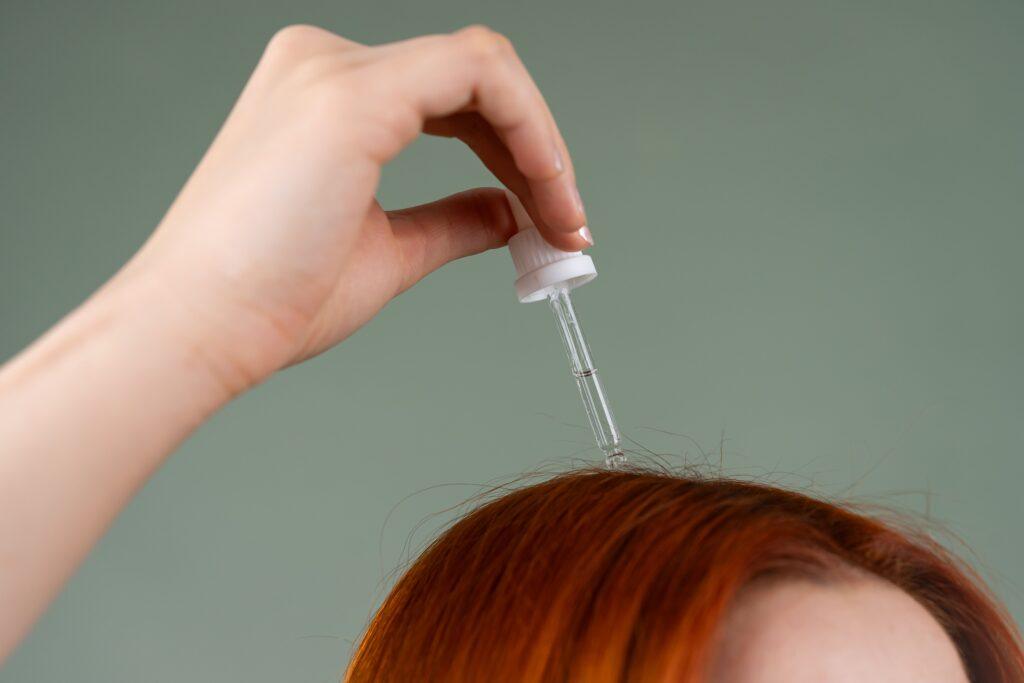
Minoxidil is applied directly to the scalp as a liquid or foam. It helps hair follicles stay in the growth phase longer and may support new hair growth.
It may be suitable for people with mild to moderate thinning, including men and women. However, minoxidil does not address the hormonal cause of male pattern hair loss.
What Is Finasteride?
Finasteride is a prescription tablet primarily used to treat male pattern hair loss. It lowers levels of dihydrotestosterone (DHT), a hormone that can cause hair follicles to shrink in people who are genetically sensitive to it.
By reducing DHT, finasteride may help slow hair loss and protect existing hair.
Finasteride is generally intended for men. Women who are pregnant or may become pregnant should not handle crushed or broken tablets.
Minoxidil vs. Finasteride: What Is the Difference?
Minoxidil and finasteride can both support hair-loss treatment, but their form, action, typical use, and primary benefits differ.
Minoxidil vs. Finasteride
| Feature | Minoxidil | Finasteride |
|---|---|---|
| Type | Topical medication | Oral prescription medication |
| Main action | Supports hair growth | Lowers DHT |
| Common use | Hair thinning and certain types of hair loss | Male pattern hair loss |
| Best known benefit | Encouraging hair growth | Slowing hair loss and protecting existing hair |
Which Treatment Is Better?
There is no single best option for everyone.
Finasteride may be especially helpful for men with male pattern hair loss because it targets DHT. Minoxidil may be a good choice for people who want to support hair growth or cannot take finasteride.
Some men may benefit from using both, since they work in different ways.
What About Side Effects?
Minoxidil may cause scalp irritation, dryness, itching, unwanted facial hair, or temporary shedding when treatment begins.
Finasteride may cause decreased sex drive, erectile difficulties, changes in ejaculation, breast tenderness, or mood changes. Discuss the potential benefits and risks with a healthcare professional before starting treatment.
How Long Does Treatment Take?
Both treatments require consistent use and patience. Results may take several months, and treatment usually needs to continue to maintain its benefits.
The Bottom Line
Minoxidil supports hair growth at the follicle, while finasteride lowers DHT to help slow male pattern hair loss. In some cases, using both may provide the best results.
The right treatment depends on your type of hair loss, medical history, and goals.
Choose the Right Hair-Loss Treatment
Our Valyr clinicians can help you choose the best treatment for your hair-loss needs.