Persistent food cravings and difficulty controlling portions
Weight regain despite diet and exercise efforts
Constant hunger or feeling like you're never satisfied
Weight-related fatigue or reduced mobility
Metabolic markers trending in the wrong direction
A Steady, Physician-Managed Path Back to Yourself
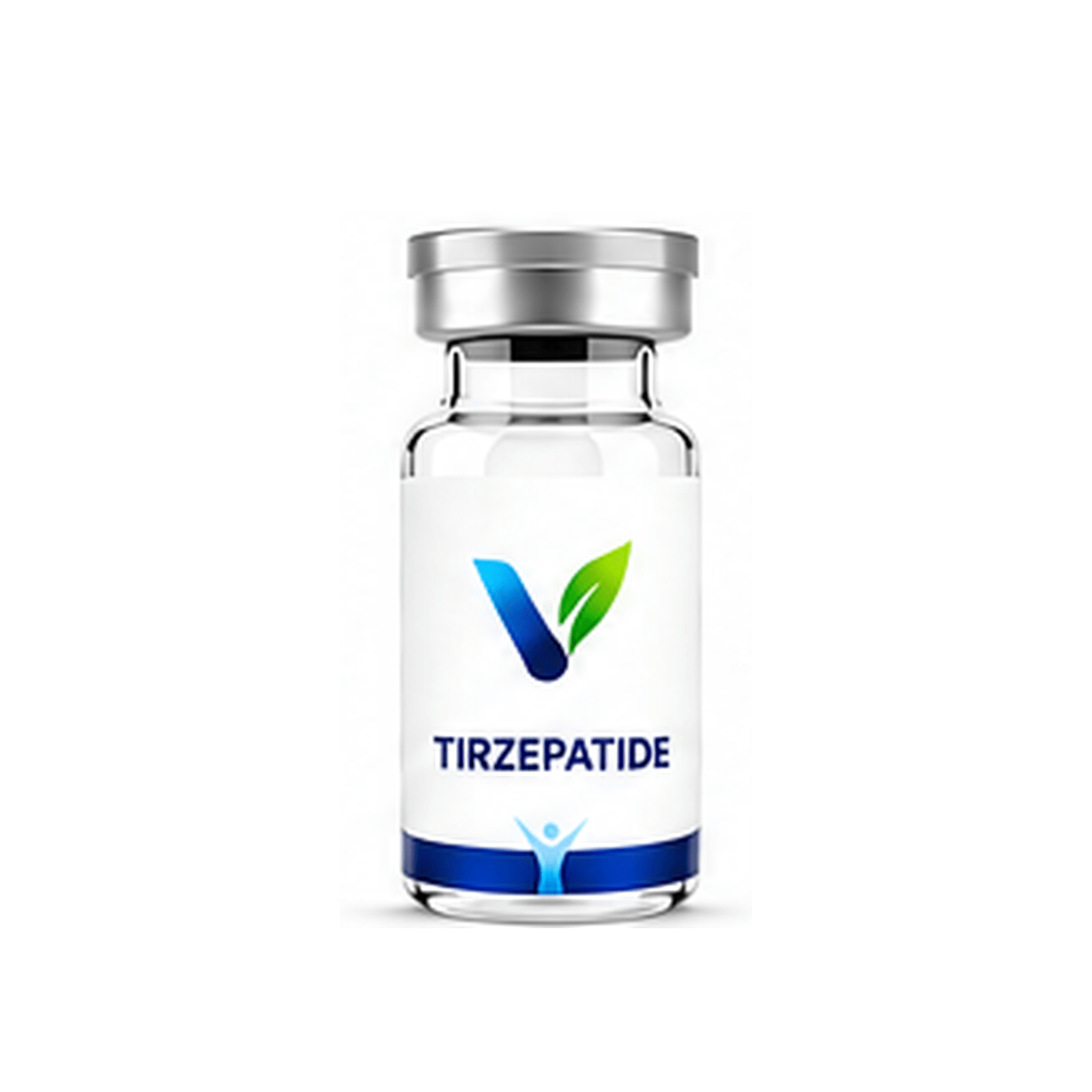
Tirzepatide acts on both GLP-1 and GIP receptors, a dual mechanism that many members find produces stronger appetite suppression and metabolic benefit than single-pathway therapies. Delivered as a once-weekly subcutaneous injection, dosing is gradually titrated upward under provider supervision.
2.5–15mg
TYPICAL TITRATION RANGE
Weekly
INJECTION FREQUENCY
4 wks
BETWEEN DOSE ADJUSTMENTS
Benefits Members Report
Dual-Pathway Appetite Control
Targets two hormone receptors for a stronger satiety effect.
Improved Metabolic Markers
Supports improvements in blood sugar and cardiometabolic health.
Significant Weight Loss Potential
Many members see substantial results when paired with lifestyle changes.
Physician-Managed Titration
Dose increases are paced to your tolerance, not a fixed schedule.
Myth vs. Fact
Myth
“It’s a shortcut that does all the work for you.”
Fact
Tirzepatide reduces appetite, but sustainable results still depend on nutrition and activity habits your provider helps you build.
Myth
“Tirzepatide and semaglutide are interchangeable.”
Fact
They work through different (though overlapping) mechanisms; your provider helps determine which fits your metabolic profile best.
Myth
“You’ll regain everything the moment you stop.”
Fact
Your provider builds a maintenance plan, including possible dose tapering, to support keeping weight off long-term.
How Your Dose Is Determined
1
Baseline Labs & History
Bloodwork and a health questionnaire confirm tirzepatide is appropriate and safe for you.
2
Starting Dose
Treatment begins at a low dose to let your body adjust before any increase.
3
Titration & Follow-Up
Your provider gradually increases your dose roughly every 4 weeks based on your response and tolerance.