Low sense of connection despite a stable relationship
Elevated stress affecting closeness and desire
Interest in a non-hormonal complement to other therapies
THE FORMULA
A Steady, Physician-Managed Path Back to Yourself
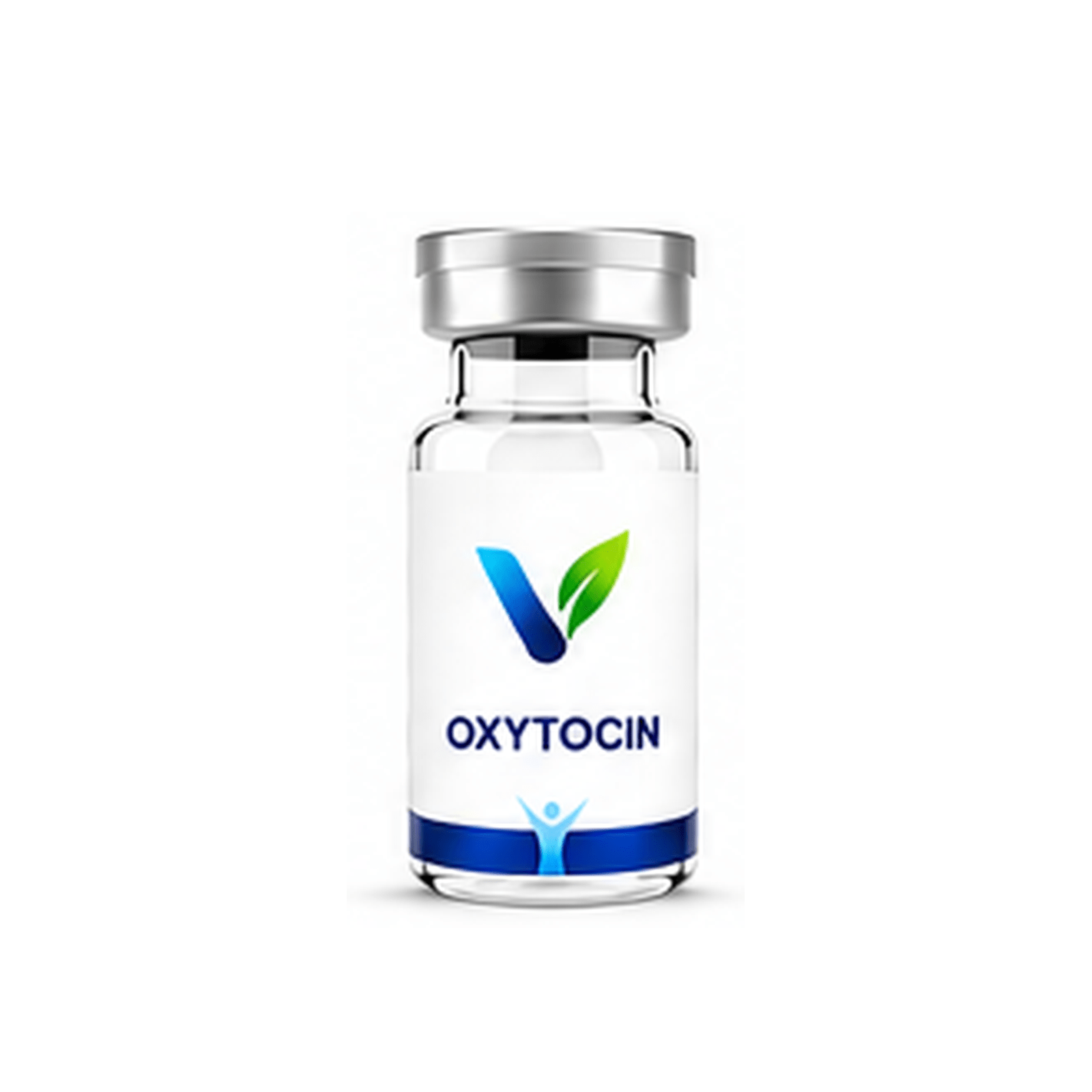
Oxytocin is a naturally occurring peptide hormone that plays a central role in bonding, trust, and emotional connection. Prescribed in a sublingual or intranasal form, it’s often used alongside other sexual health therapies to support the emotional side of intimacy, not just the physical. sexual health therapies to support the emotional side of intimacy, not just the physical.
10–40 IU
TYPICAL SUBLINGUAL/INTRANASAL DOSE
As Needed
TYPICAL DOSING, BEFORE INTIMACY
15–30 min
ONSET OF EFFECT
Benefits Members Report
Supports Emotional Bonding
May enhance feelings of closeness and trust between partners.
Non-Hormonal Sexual Effects
Improvements in libido and sexual performance are commonly reported.
Complements Other Therapies
Often paired with libido or ED treatments to address the emotional side of intimacy.
Physician-Managed Dosing
Dosed and timed by your provider to match your goals.
Myth vs. Fact
Myth
“It’s a substitute for a healthy relationship.”
Fact
Oxytocin can support feelings of connection, but it works best alongside — not instead of — genuine relational effort.
Myth
“It only affects women.”
Fact
Oxytocin plays a bonding role in both men and women and is prescribed for either.
Myth
“It’s an aphrodisiac like PT-141.”
Fact
Oxytocin’s primary role is emotional bonding and stress reduction, distinct from the arousal-focused mechanism of PT-141.
How Your Dose Is Determined
1
Health Screening
A questionnaire and health history establish whether oxytocin therapy is appropriate for you.
2
Starting Dose
Your provider sets an initial sublingual or intranasal dose and timing.
3
Follow-Up & Adjustment
Check in with your provider to adjust dose or frequency based on your response.